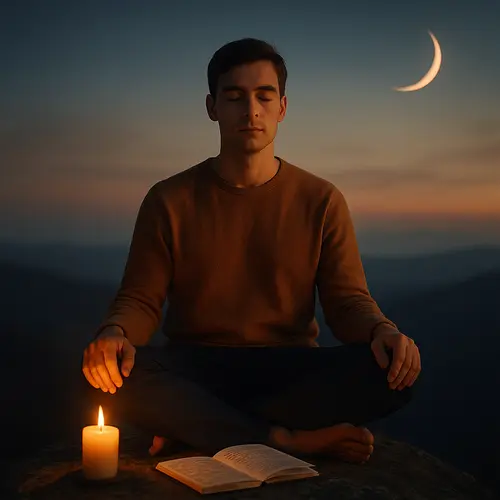
🌿 Introduction: Rediscovering the Value of Being Alone
We live in an age where noise is constant. Notifications blink. Timelines refresh. Podcasts fill silence. Even our moments of supposed rest are often layered with background chatter—scrolling, clicking, consuming. In this climate, solitude has become almost suspicious. But far from being loneliness or withdrawal, solitude is a forgotten form of strength.
When practiced with intention, solitude reconnects us with clarity, creativity, and calm. It gives us space to hear ourselves again. To remember who we are when we’re not performing for anyone else.
📚 What Is Solitude—and What It Is Not
Solitude is the intentional act of being alone, not to escape the world but to return to yourself. It is fundamentally different from loneliness, which is a feeling of disconnection or absence. Solitude is presence—deep, unfiltered presence—with your own thoughts, feelings, and sensations.
In solitude, we aren’t hiding. We’re listening.
🔬 The Psychology of Solitude
Studies show that solitude enhances self-reflection, creativity, and emotional regulation. It activates the brain’s default mode network—responsible for daydreaming, introspection, and identity processing. This mental space is essential for deep thinking, long-term planning, and resolving inner conflict.
When we’re constantly stimulated, our cognitive and emotional systems never get a chance to reset. Solitude provides the mental breathing room required for integration and restoration.
🧠 Why We Avoid It
- Discomfort: Many people feel anxious when alone with their thoughts. Solitude reveals emotions we often suppress with activity.
- Fear of Missing Out (FOMO): We're conditioned to seek engagement and stimulation constantly. Silence feels like wasted time.
- Digital Dependence: Our devices fill every gap in attention. Boredom, once a gateway to insight, has been replaced by endless scrolling.
But the discomfort of solitude is often the doorway to insight. What feels empty at first becomes expansive over time.
🌙 The Gifts of Solitude
- Clarity: Without input from others, you can hear your own intuition again.
- Creativity: Great ideas often arise in stillness, not during hustle.
- Emotional balance: Time alone allows you to process experiences without noise or reaction.
- Self-trust: Solitude builds your inner compass. You stop outsourcing your truth.
🧘♀️ Practices for Embracing Solitude
1. The Morning Page Ritual
Inspired by Julia Cameron’s “The Artist’s Way,” morning pages are three handwritten pages of free-flow thoughts written upon waking. They are not for sharing. They are a mental download—a way to clear clutter and hear your subconscious.
2. Silent Walking
Walk without music or podcasts. Listen to the sounds around you. Notice your breath. Let thoughts come and go. This gentle movement in solitude recalibrates your nervous system.
3. No-Input Hour
Set aside one hour a day (or a few times a week) with no content consumption. No screens, books, or conversations. Let your mind wander. You might be surprised by what surfaces.
4. Reflective Journaling
Use prompts like:
- What thoughts keep returning when I'm alone?
- What do I need to release right now?
- Who am I when no one is watching?
Journaling in solitude creates space for integration and emotional digestion.
🌲 Extended Solitude: The Power of Retreat
Even short solo getaways—an afternoon in a park, a day in nature, a tech-free weekend—can provide profound insight. You don’t need to disappear for months to benefit. Intention matters more than duration.
If travel isn’t possible, create a retreat at home: silence notifications, set boundaries, light a candle, and be with yourself. Even a few hours can reset your emotional system.
📖 Wisdom From Solitude Seekers
From Thoreau’s Walden Pond to monk-like retreats, the value of solitude has been echoed for centuries. Writers, thinkers, artists, mystics—all speak of the clarity found in silence.
Solitude isn't a luxury. It’s a nutrient. And like all nutrients, the modern world makes it easy to neglect and hard to access. But the rewards are timeless.
🛑 Solitude Isn’t Isolation
This is important: solitude is not disconnection. It is not withdrawing out of bitterness or burnout. It is chosen space for reflection. In fact, regular solitude can deepen your relationships, because you return to others with more presence and authenticity.
🔚 Final Reflection
In a world that values visibility, solitude invites invisibility—not to disappear, but to rediscover. To become reacquainted with the quiet inner voice that gets drowned out in crowds, noise, and feeds.
Solitude reminds you: you are already enough. Even without doing. Even without noise.
“In order to understand the world, one has to turn away from it on occasion.” — Albert Camus