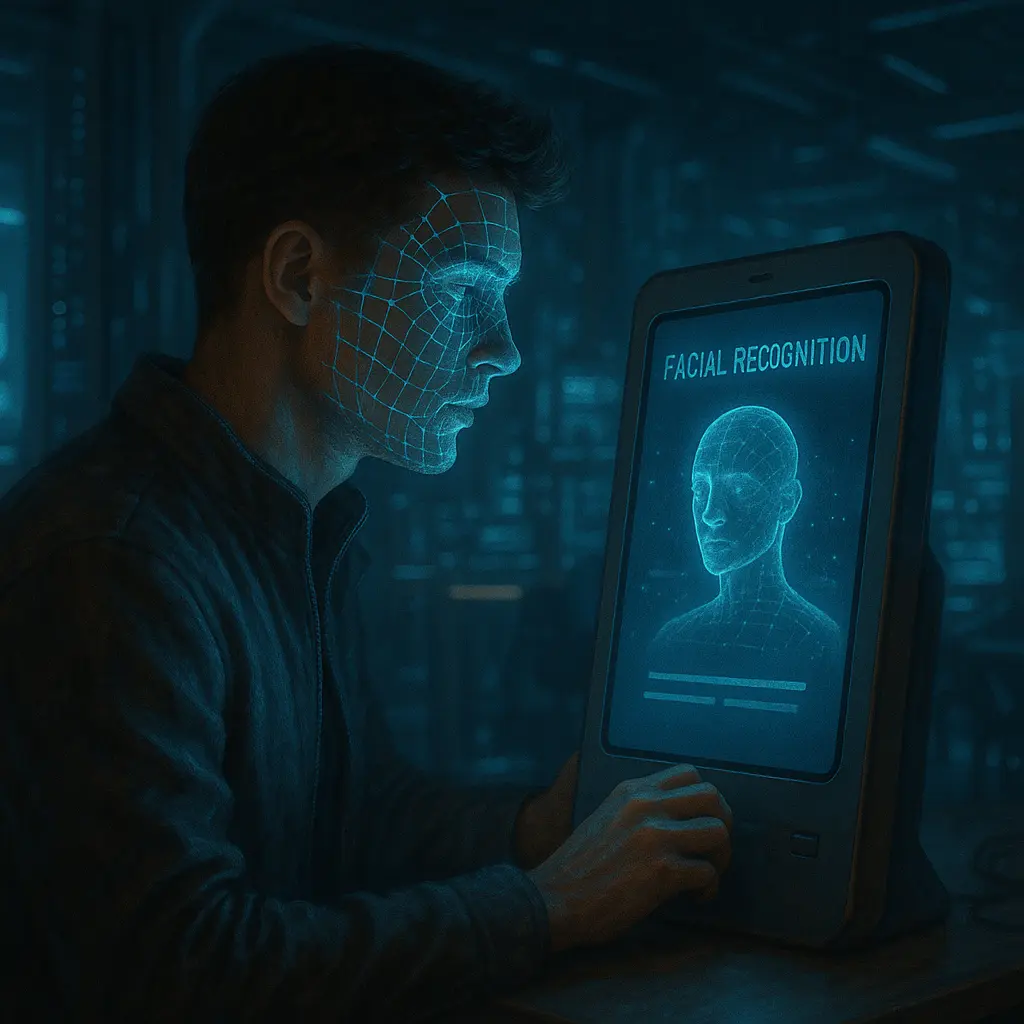
🔐 Introduction: The End of the Password Era?
Let’s face it—passwords are a pain. They're hard to remember, easy to forget, and constantly under attack. In 2025, a growing number of platforms and security experts are pushing a bold solution: passwordless authentication.
That’s right—no more memorizing dozens of credentials or resetting forgotten logins. Instead, you sign in with biometrics, trusted devices, or cryptographic keys. It’s more secure, more convenient, and fast becoming the new standard in digital identity.
🔍 What Is Passwordless Authentication?
Passwordless authentication is a method of verifying your identity without using a traditional password. Instead, it relies on something you are (like your fingerprint), something you have (like your phone), or something you do (like facial recognition or a device gesture).
It’s built around the concept of public key cryptography, where your device proves your identity without ever sharing your secrets.
📱 Common Passwordless Methods in 2025
- Biometrics: Face ID, fingerprint scans, retina scans
- Passkeys: Encrypted key pairs stored on your device, replacing passwords entirely
- Magic Links: One-time login URLs sent to your email
- Push Notifications: Approve sign-ins from trusted devices
- Hardware Tokens: YubiKeys or other FIDO2-compliant devices
These methods reduce the risk of phishing, brute-force attacks, and credential leaks.
💡 What Are Passkeys?
Passkeys are the next-gen password replacement built into ecosystems like Apple, Google, and Microsoft. They use public-private key pairs stored securely on your device (like iCloud Keychain or Google Password Manager).
You sign in by confirming identity with Face ID, a fingerprint, or a device pin—no password ever typed. And since nothing is transmitted that can be reused or phished, it’s vastly more secure.
🛡️ Why Passwordless Is More Secure
- No shared secrets: Nothing to steal or leak
- Resistant to phishing: You can’t be tricked into typing what doesn’t exist
- Device-bound authentication: Only your device holds the private key
- Fewer attack vectors: Eliminates credential stuffing and brute-force risks
In short, passwordless tech solves many of the flaws that plague traditional logins.
🌐 Platforms Already Supporting It
- Apple: Passkey integration across iOS, iPadOS, macOS
- Google: Passkeys built into Android and Chrome
- Microsoft: Passwordless logins for Windows and Azure accounts
- GitHub: Now supports passkeys for developer authentication
- 1Password & Dashlane: Adding passkey support to manage your credentials
🏢 Use Cases Beyond Consumers
- Enterprise logins: Zero-trust architectures love passwordless logins for internal tools
- eCommerce checkouts: Seamless, secure sign-ins mean fewer abandoned carts
- Financial services: Secure sign-in to banking without remembering PINs
Companies reduce helpdesk costs while improving user experience and compliance.
⚖️ Challenges and Considerations
- Device dependency: Lose your device and recovery can be complex
- Adoption curve: Many sites still rely on old authentication flows
- User education: Explaining how it works (and why it’s safer) is key
Passwordless login isn’t a silver bullet—but it’s an enormous upgrade in both security and usability.
🔮 The Future of Authentication
By 2030, most experts agree that passwords will be legacy tech—used only for outdated systems. Meanwhile, we’ll log in with fingerprints, passkeys, retina scans, or even brainwaves as biometric sensors evolve.
With blockchain-based identity and decentralized authentication gaining traction, even your wallet might become your login credential.
📘 Final Thoughts
Passwords have served us—poorly—for decades. But now it’s time to move forward. Passwordless authentication marks a critical shift in how we prove who we are online.
As these tools become mainstream, they’ll not only protect our data—they’ll restore sanity to our digital lives. No more forgotten logins. No more phishing. Just a seamless, secure tap, glance, or approval. And you’re in.
“The best password is the one you never have to remember.”