🌉 Introduction: A City Between Worlds
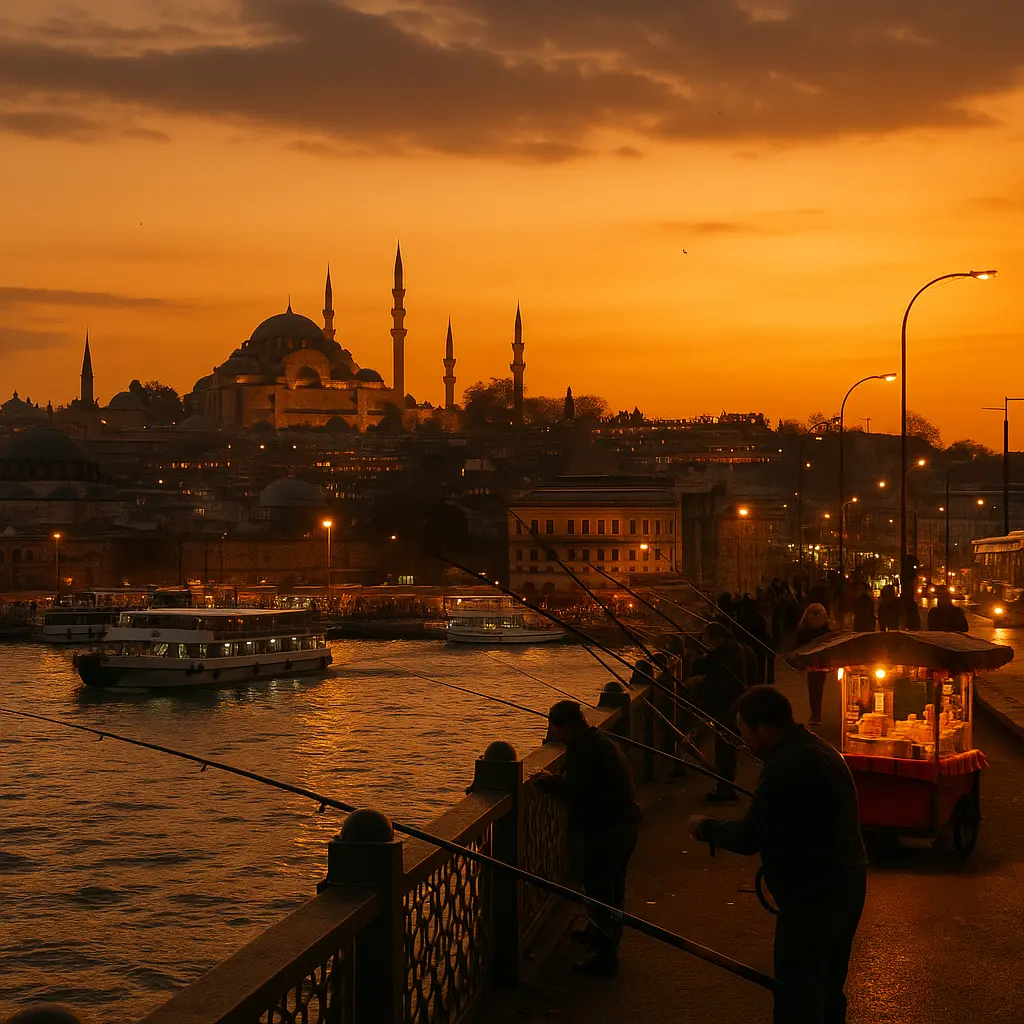
Istanbul is the pause between two breaths—the exhale of Europe and the inhale of Asia. It is the rumble of a tram down Istiklal and the soft slap of Bosphorus water on a ferry hull. Minarets sharpen the skyline while glass towers catch the sunrise; fishermen cast lines from Galata Bridge as roasters grind coffee in Karaköy. The city is never one thing. It is Byzantium and Constantinople layered beneath modern İstanbul, a palimpsest you read with your feet. Come hungry for history, yes, but also for simit warm from a street cart, tulip-shaped tea glasses, and the blue afterglow of call to prayer settling over the rooftops.
🏛 A Thousand Years in a Morning: Core History
Istanbul began as Byzantion, a Greek colony guarding the Bosphorus. As Constantinople, it rose to imperial capital of the Eastern Roman Empire, crowned by Hagia Sophia’s impossible dome. In 1453, the Ottomans under Mehmed II took the city and rewired the skyline with mosques, bazaars, hammams, and palaces. Today’s İstanbul is twenty-first-century Türkiye’s beating heart—industry and art, family and faith, all drifting on the strait that never stops moving. You feel it most on the water: gulls, diesel, tea, light, and the city passing by like a history book turned sideways.
🗺 Neighborhoods: How to Read the Map
1) Sultanahmet (Old City)
Touristic, yes, but essential. Here you’ll find Hagia Sophia, Sultan Ahmed Mosque (Blue Mosque), Topkapı Palace, and the Basilica Cistern. Visit early or late to catch quieter moments. The alleys behind the monuments hide small lokantas (home-style eateries) and carpet shops with stories in the warp and weft.
2) Beyoğlu: Galata, Karaköy, and Taksim
Cross the Golden Horn to Galata’s sloping streets under the watch of Galata Tower. Karaköy’s cafes roast beans and serve modern meze; street art ribbons the walls. North, Istiklal Caddesi surges toward Taksim Square—music, bookstores, chestnut sellers, tram bells.
3) Balat & Fener
Colored row houses, antique shops, Orthodox churches, and a slow, neighborhood cadence. Wander up to the Phanar Greek Orthodox College and down to the Golden Horn again; take breaks in tiny cafes serving sesame tahini cookies and tea.
4) Kadıköy & Moda (Asian Side)
Ferry east. Kadıköy Market is a long conversation of olives, fish, spice, and chatter. Moda unrolls a seaside promenade perfect at sunset. Coffee labs, meyhanes (meze taverns), vinyl shops, cats sunning in windows—this is contemporary Istanbul’s living room.
5) Üsküdar & Kuzguncuk
Üsküdar’s waterfront mosques (Mihrimah Sultan, Şemsi Paşa) line up like beads on a tasbih; across, Kuzguncuk is a village inside a city: wooden houses, bakeries, synagogues, churches, and a communal garden. Watch the city turn to gold from Salacak, Maiden’s Tower centered like a story’s last line.
🏛 Must-See Landmarks (With Smart Timing)
- Hagia Sophia: A masterpiece of engineering and devotion. Arrive at opening; the dome’s scale humbles and lifts at once.
- Blue Mosque: Under restoration at times; step softly, dress modestly, and look for the floral tile geometry that gives the mosque its nickname.
- Topkapı Palace: Ottoman courts, chambers, and the Harem (a separate ticket)—jewels, calligraphy, and Bosphorus views.
- Basilica Cistern: A forest of columns in waterlight; find the Medusa heads. Book online, go early.
- Grand Bazaar (Kapalıçarşı): One of the world’s oldest covered markets—lanes of carpets, gold, leather, ceramics. Get lost on purpose; bargain with a smile.
- Spice Bazaar (Mısır Çarşısı): Saffron, sumac, lokum (Turkish delight). Ask to taste—good vendors are generous.
- Dolmabahçe Palace: Nineteenth-century opulence on the water—crystal, chandeliers, and European flourishes laced with Ottoman detail.
- Chora (Kariye) Church/Mosque: Breathtaking mosaics and frescoes—Christ Pantokrator swirling in gold and blue.
- Galata Tower: Climb (or elevator) for a 360° view; sunrise and late evening are magic.
⛴ The Bosphorus: Istanbul’s Front Porch
Buy an Istanbulkart and hop ferries like a local. The commuter lines are the city’s best tour for the price of tea. Ride Eminönü → Kadıköy at sunset, or take a longer cruise to Anadolu Kavağı for seafood by the fortress. Watch palaces, yali mansions, and neighborhoods slip by; read the shoreline like chapters—Beşiktaş, Ortaköy, Arnavutköy, Bebek—each with cafes and a different curve of light.
🍽 Eat Like You Mean It: From Meze to Meyhane
- Breakfast (Kahvaltı): A table of small plates—white cheese, olives, eggs, tomatoes, cucumbers, honey & clotted cream, simit, and endless tea. Try Van-style breakfasts in Cihangir or Beşiktaş.
- Street Food: Simit (sesame ring bread), balık ekmek (fish sandwich) at Eminönü, midye dolma (stuffed mussels), kokoreç (spiced grill, for the bold).
- Meze & Meyhane: Start with atom (garlic-yogurt with chili butter), fava, ezme, aubergine salads; then grilled fish or meat. Raki if you like anise; otherwise crisp white wine from Thrace.
- Kebabs: Adana (spicy), Urfa (mild), beyti (wrapped), Iskender with yogurt and tomato-butter sauce. Seek local joints over glossy chains.
- Sweet Things: Baklava, künefe (cheese pastry dripping syrup), kazandibi (caramelized pudding). Finish with Turkish coffee—thick, small, memorable.
🧖♂️ Hammams, Dervishes, and Other Experiences
- Hammam: Book a traditional scrub & foam wash. Historic baths like Cağaloğlu or Süleymaniye give the full marble-steam-time-travel.
- Whirling Dervish Ceremony: A sema performance is meditation in motion; watch respectfully and let the music do its quiet work.
- Rooftop Views: Karaköy and Sultanahmet rooftops glow at dusk; sip tea while domes and minarets turn to silhouettes.
- Art & Design: Istanbul Modern, Pera Museum, SALT Beyoğlu—contemporary edges rubbing against deep heritage.
📆 Itineraries That Flow
Classic 3 Days
- Day 1 (Sultanahmet): Hagia Sophia → Blue Mosque → Basilica Cistern → Topkapı → sunset ferry to Kadıköy for meze.
- Day 2 (Beyoğlu): Galata Tower → Karaköy cafes → Spice Bazaar → ferry loop at sunset → meyhane in Asmalımescit.
- Day 3 (Asian side): Kadıköy Market → Moda seaside walk → Üsküdar mosques at golden hour → Maiden’s Tower view.
Deeper 5–7 Days
- Add Dolmabahçe, Ortaköy (mosque + kumpir), Balat/Fener slow day, Chora, a long Bosphorus cruise, and a Princes’ Islands escape to Büyükada for pine-scented bike rides.
🚇 Getting Around (and Not Getting Stuck)
- Istanbulkart: Tap for metro, tram, funicular, buses, ferries. Recharge at kiosks.
- Tram T1: Runs through the Old City (Sultanahmet–Karaköy). A tourist’s best friend.
- Funiculars: Karaköy↔Tünel, Kabataş↔Taksim link the hills without sweat.
- Taxis: Use the official app (BiTaksi, iTaksi); avoid off-meter rides.
- On Foot: Wear real shoes. Cobblestones and inclines will humble flip-flops.
🧭 Culture & Etiquette (Small Things, Big Welcome)
- In mosques: shoulders/knees covered; women may cover hair; shoes off.
- Tea offered? Accept if you can—it’s hospitality, not a sales trap (in reputable shops).
- Photography: Ask before shooting people, especially in markets and religious sites.
- Greetings: A simple Merhaba (hello) goes far; Teşekkürler (thank you) even farther.
🛍 Bazaars to Boutiques
Grand Bazaar for carpets, lamps, leather; Arasta for souvenirs near the Blue Mosque; Nuruosmaniye street for higher-end design. On the Asian side, Kadıköy’s streets turn into a market of ceramics, indie fashion, and antique corners. Haggling is performance and politeness—smile, counter, shake hands when it feels right.
📸 Photo & Sunset Spots
- Galata Bridge at blue hour (city lights, fishermen).
- Ortaköy Mosque with the Bosphorus Bridge behind it.
- Üsküdar–Salacak for Maiden’s Tower sunsets.
- Rooftops in Sultanahmet (ask venues—some require a drink/minimum).
🌤 When to Go
- Spring (Apr–May): Blossoms, mild weather, festivals.
- Autumn (Sep–Oct): Clear, warm days, softer crowds.
- Summer: Hot, lively, late nights; hydrate and siesta.
- Winter: Quiet, moody light, the occasional snow-dusted dome.
💶 Money, Safety, Practicalities
- Currency: Turkish lira; cards widely accepted, cash useful in bazaars.
- Tipping: 5–10% at restaurants; round up for taxis and porters.
- Scams: Politely decline “shoe-shine” drops or unsolicited help; choose licensed guides/shops.
- Connectivity: Local SIMs are inexpensive; maps + ferry schedules help.
🌿 Day Trips & Slow Days
- Princes’ Islands: Ferry to Büyükada—bike rentals, wooden mansions, ice cream by the sea.
- Belgrad Forest: Trails, picnic spots, a green lung north of the city.
- Anadolu Kavağı: Fish lunch after a long Bosphorus cruise; hike to Yoros Castle.
🗣 Handy Turkish Phrases
- Merhaba — Hello
- Lütfen — Please
- Teşekkürler / Teşekkür ederim — Thank you
- Ne kadar? — How much?
- Hesap lütfen — The bill, please
- Afiyet olsun — Enjoy your meal
🧵 The Thread That Ties It Together
Istanbul’s magic is not only in what you see but how it makes you feel—unhurried on a ferry deck, welcome at a table, tiny beneath domes meant to pull your gaze upward. The city is generous to wanderers: it feeds you, teaches you to cross the water for no reason but joy, and reminds you that borders can be bridges when you’re willing to walk them.
Cross the strait. Cross it again. Each time, you return with a different city in your pocket.